

Fractional Laser
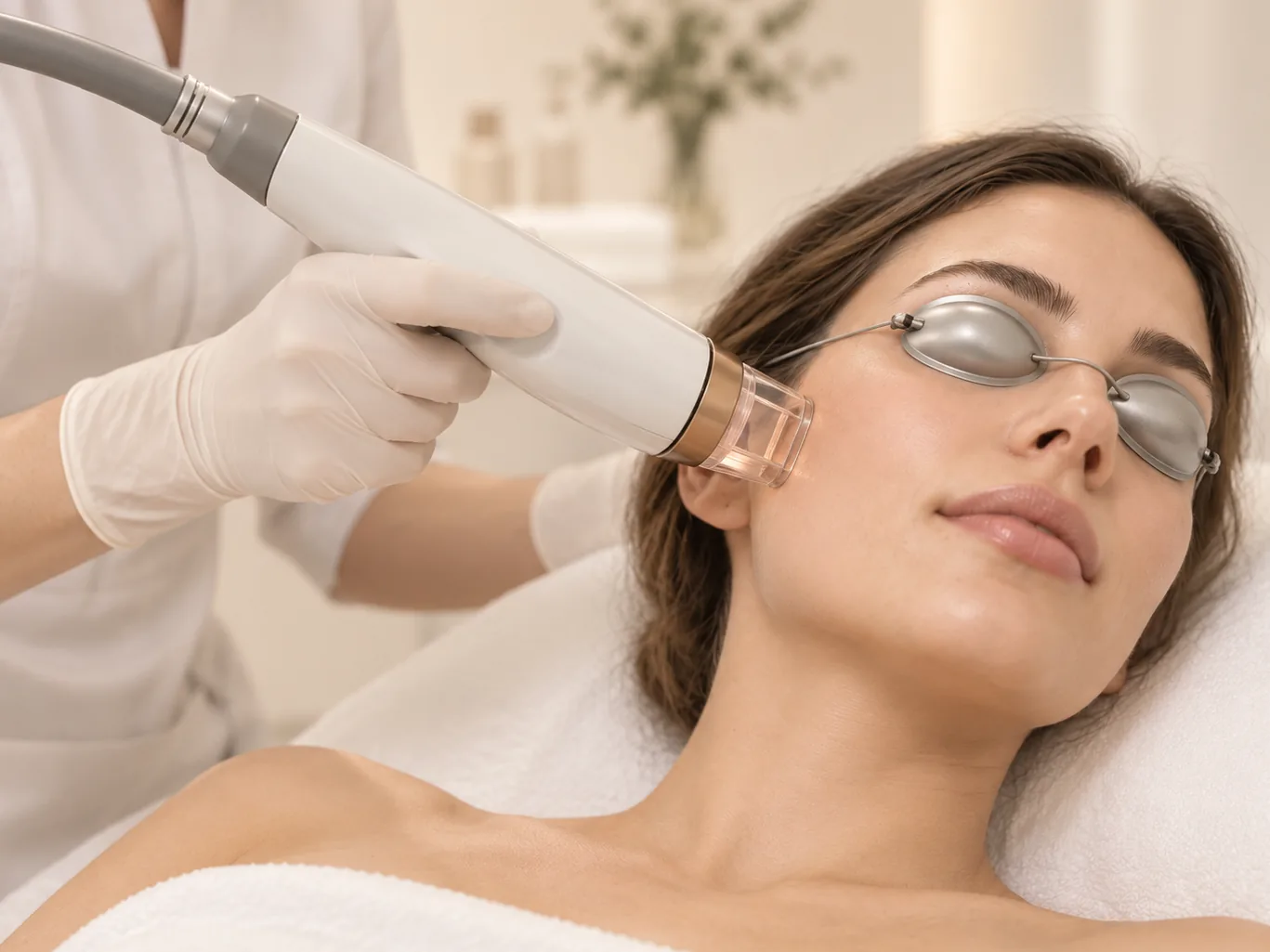
Skin resurfacing and improvement of scars and stretch marks.
- Session duration
- 30–60 minutes, depending on the area
- Recovery time
- Redness and a sunburn-like feeling for 2–4 days; mild flaking
- When results become visible
- First improvement at 3–4 weeks; continues up to 6 months
- Number of sessions
- Usually 3–5 sessions every 4–6 weeks
- Anaesthesia
- Topical anaesthetic cream
What it is
The fractional laser creates thousands of microscopic zones of thermal action, leaving the skin between them intact. This activates the natural mechanisms of renewal and collagen production, with much faster healing than full ablation.
It is mainly indicated for acne scars, stretch marks, uneven texture, enlarged pores and fine lines, always after dermatological assessment of the skin type and phototype.
The result is not immediate: collagen remodelling continues for months after the course of sessions.
Technology / material: Fractional laser with adjustable microzone density and depth, so the energy can be matched to the indication, the area and the phototype.
Who it is for
- Acne and post-traumatic scars
- Stretch marks on the abdomen, thighs, breasts
- Uneven texture, enlarged pores
- Fine lines and photoageing
- People who can avoid the sun for weeks afterwards
What it can address
- Scars (atrophic, ice-pick, boxcar)
- Stretch marks
- Rough texture and dull skin
- Fine perioral and periocular lines
What it aims to improve
- Improved skin texture and evenness
- Reduced depth and appearance of scars and stretch marks
- A gradual increase in collagen density
How it is performed
- 1
Assessment of the skin, phototype and indication; photographic documentation.
- 2
Application of anaesthetic cream for 30–45 minutes on the area.
- 3
The fractional laser is passed over the area with the chosen parameters, in one or more passes.
- 4
Cooling and application of soothing, healing products.
- 5
Care instructions and scheduling of the next session in 4–6 weeks.
Before, during and after treatment
Before
- No sun exposure or self-tanners for 4 weeks beforehand.
- Stop retinoids and exfoliants 5–7 days before.
- With a history of cold sores, tell us — prophylaxis may be needed.
During
- A feeling of heat and prickling, tolerable with the anaesthetic cream and cooling.
- The skin is markedly red immediately afterwards.
After
- Moisturise and cleanse gently; no exfoliation for 1 week.
- SPF 50 sunscreen daily for at least 2 months — essential.
- Avoid the gym, sauna and pools for 5–7 days.
- Do not scratch the flaking; let it come off on its own.
Why Dr Maria Polykarpou
- Parameters individualised to the indication and phototype, by a dermatologist
- Photographic documentation for objective comparison
- Combination with other treatments (PRP, microneedling, peels) where it makes sense
- Realistic information: scars improve, they do not disappear
Contraindications & important considerations
- Pregnancy and breastfeeding
- Recent tanning or active sun exposure
- Isotretinoin use in the last 6 months (case by case)
- Active infection, cold sores or inflammation in the area
- History of keloids, healing disorders, immunosuppression
- Darker phototypes require particular caution because of the risk of pigment change
- Final assessment is made by the doctor at the visit.
Frequently asked questions
How many sessions will I need?
Usually 3–5, every 4–6 weeks. The exact number depends on the type and depth of the scars or stretch marks and on how your skin responds.
How visible is it afterwards?
For the first 2–4 days the skin is red, as after sun exposure, followed by mild flaking. Most people return to their activities immediately, with care in the sun.
Do acne scars disappear?
They do not disappear. They improve considerably in depth and texture so they become less noticeable. Realistic expectations are part of the plan.
Can it be done in summer?
It is better in months with little sun exposure. If done in summer, strict sun protection and avoiding the sea/sunbathing are required.
Is it suitable for darker skin?
It requires caution: in darker phototypes more conservative parameters are used, often with skin preparation, to reduce the risk of pigment change.
Indications, the number of sessions and the protocol are determined individually, after medical assessment. Results vary from person to person.
Related treatments
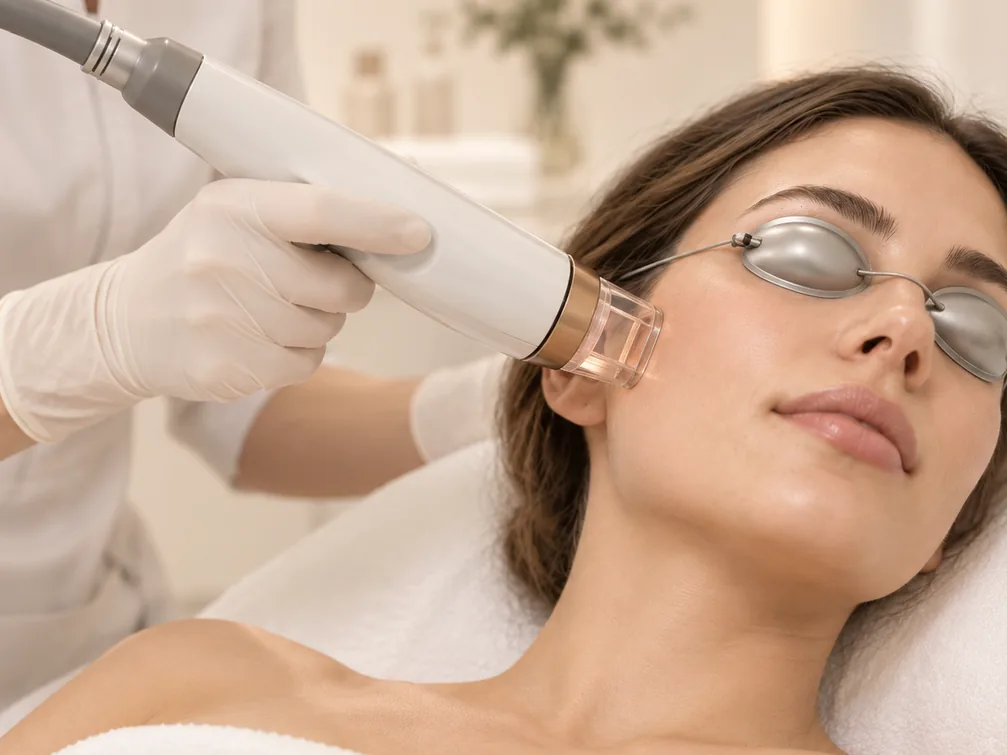
CO₂ Laser
Precise treatment of suitable skin lesions, following dermatological assessment.
View treatment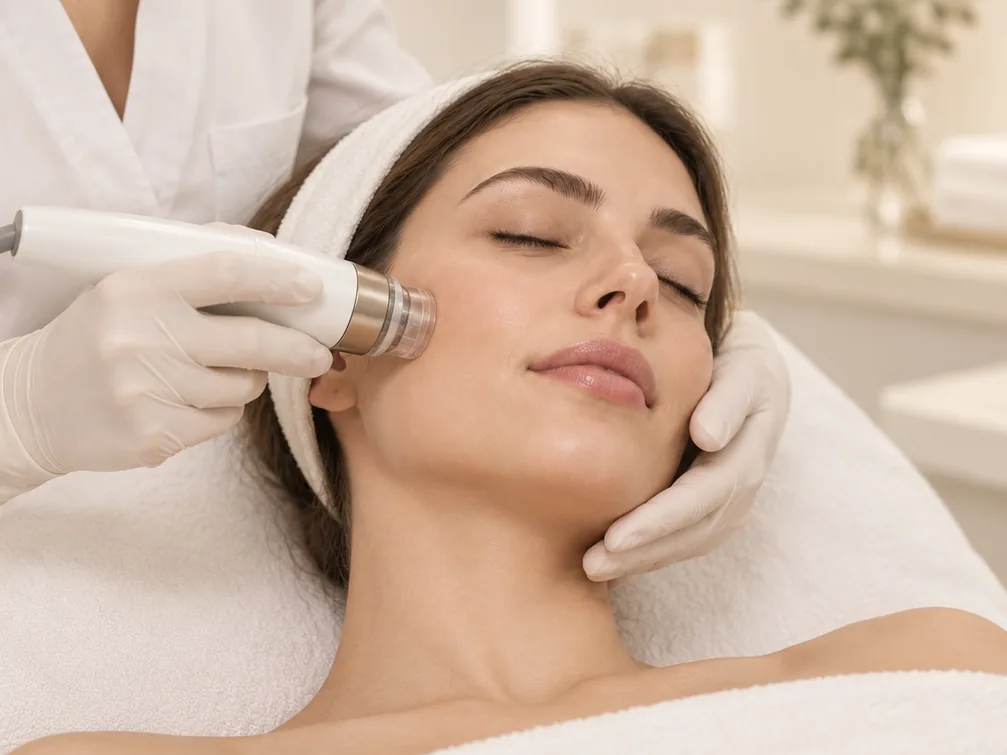
Dermapen / Microneedling
Microneedling for skin texture, pores and acne scars.
View treatment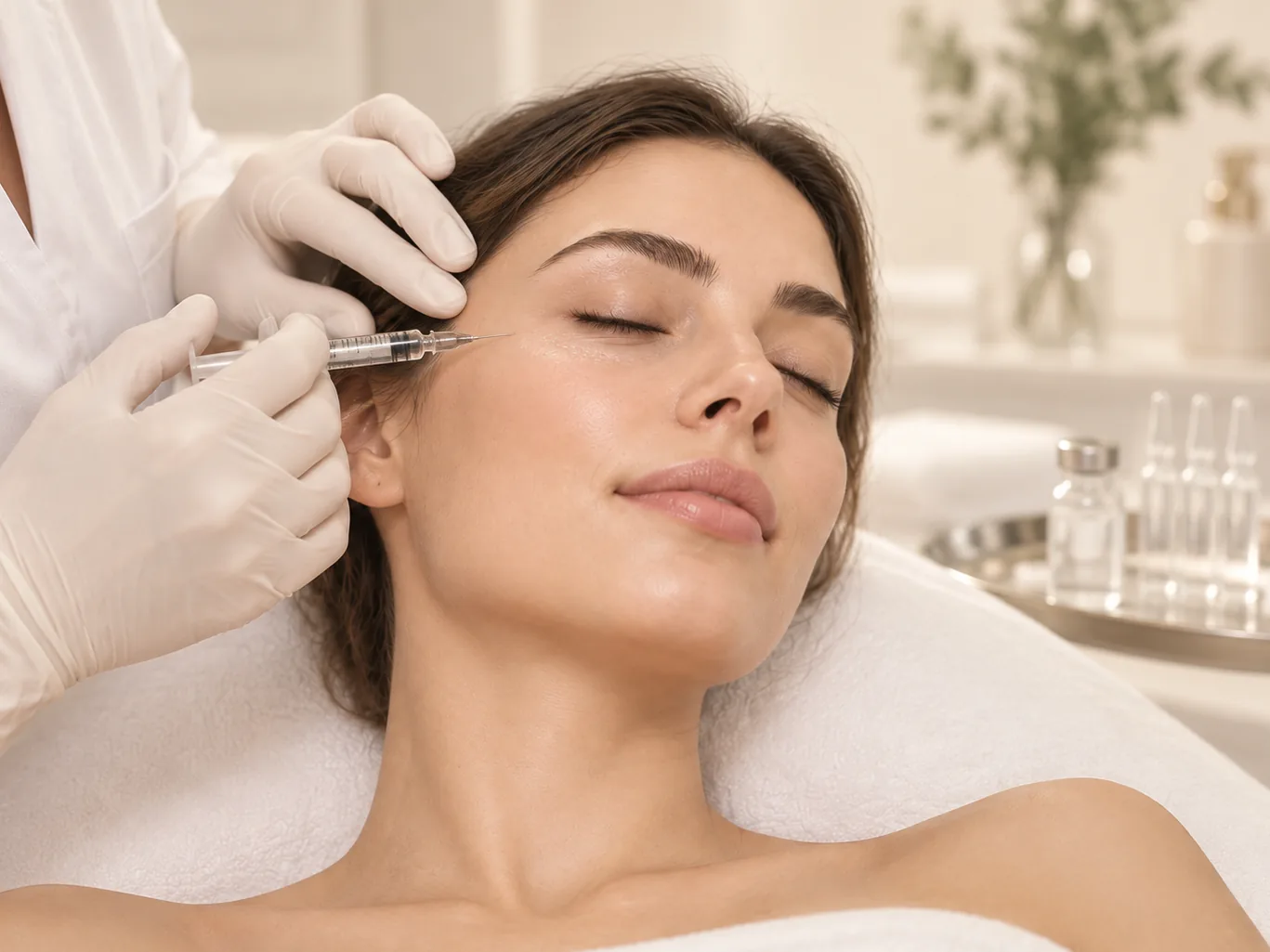
PDRN / Polynucleotides
Polynucleotides (salmon DNA) for skin regeneration and quality.
View treatmentThe right treatment begins with the right diagnosis.
Your first visit includes a dermatological examination, a discussion of your goals and a personalised plan, with no obligation to proceed with treatment.
Book your visit