
Medical Facial Cleansing
Deep cleansing with a medical protocol, adapted to your skin type.
- Session duration
- 45–60 minutes
- Recovery time
- Redness for a few hours
- When results become visible
- Immediately, with further improvement over the following days
- Number of sessions
- Every 4–8 weeks, as needed
- Anaesthesia
- Not required
What it is
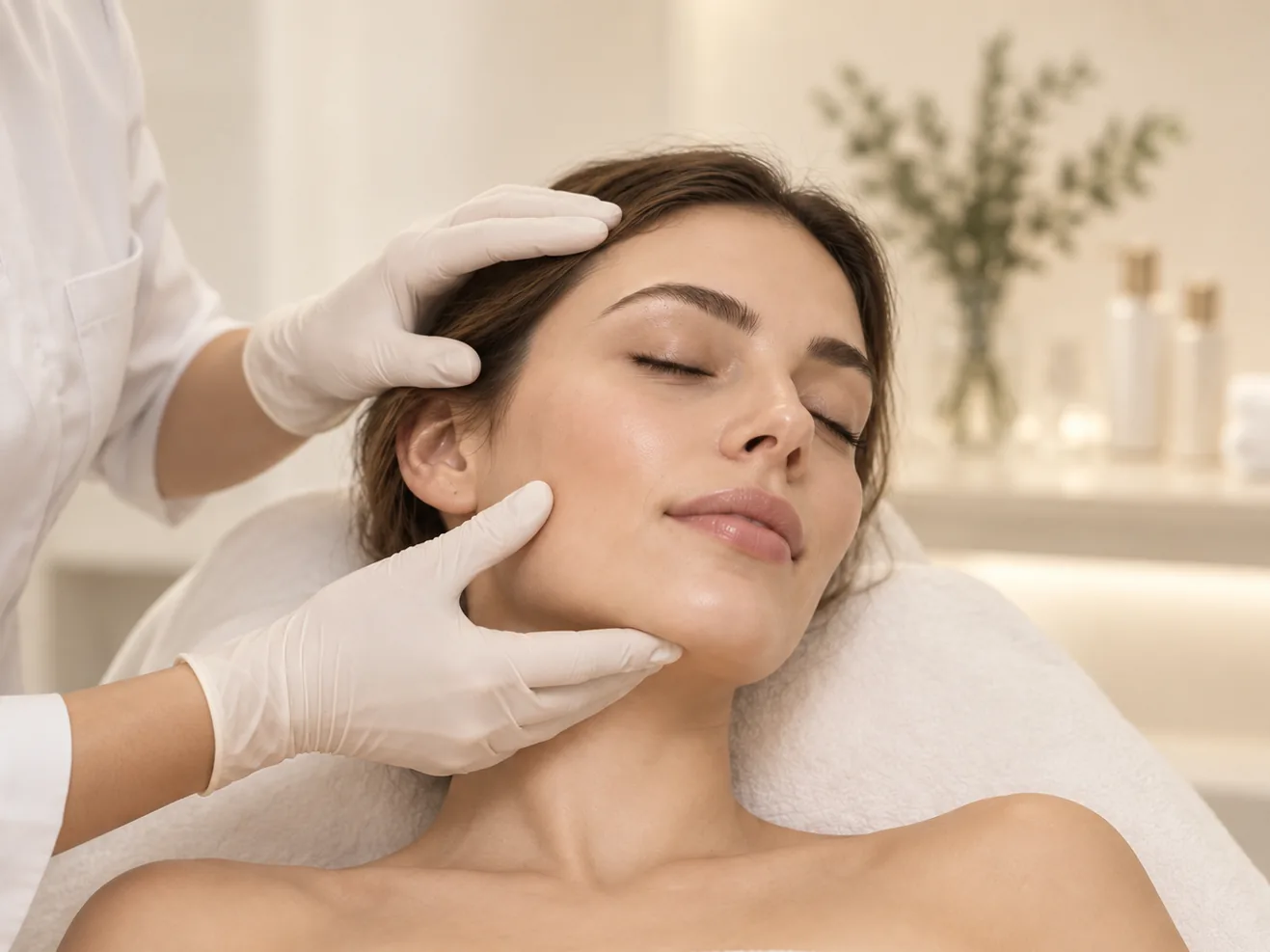
Medical facial cleansing is performed in sterile conditions, with a protocol adapted to the condition of the skin — not as a standardised facial.
Comedones and milia are removed, the pore is decongested and soothing, anti-inflammatory products are applied, aiming for clearer skin and fewer relapses.
In active acne it forms part of a broader plan: cleansing helps, but the cause is addressed with treatment prescribed by the doctor.
Technology / material: Sterile single-use instruments where required, steam/softening, specialised products and, where appropriate, LED or hydrodermabrasion.
Who it is for
- Mild to moderate acne, comedones, milia
- Oily skin with enlarged pores
- Dull skin with build-up of keratin
- As a complement within an acne treatment plan
What it can address
- Comedones (blackheads and whiteheads)
- Milia
- Oiliness and pore congestion
What it aims to improve
- Decongesting pores and removing comedones
- Reduced inflammation and oiliness
- Better absorption of topical treatment
How it is performed
- 1
Assessment of the skin and the phase of acne; if inflammation is marked, treatment comes first.
- 2
Cleansing, softening of the skin and antisepsis.
- 3
Removal of comedones and milia with sterile instruments, without trauma.
- 4
Application of a soothing mask and anti-inflammatory products.
- 5
Home care instructions and scheduling of a repeat every 4–8 weeks.
Before, during and after treatment
Before
- Do not exfoliate for 3 days beforehand.
- Come without make-up if possible.
- Tell us about isotretinoin or retinoids.
During
- The procedure is tolerable; at some points there may be brief discomfort.
After
- No make-up for 12 hours and no exfoliation for 3–5 days.
- Sunscreen and gentle cleansing.
- Do not squeeze lesions yourself — it is the main cause of scars and marks.
Why Dr Maria Polykarpou
- Sterile conditions and medical supervision
- Adapted to the phase of acne — without aggressive squeezing that leaves marks
- Linked to the treatment plan and home care
- Advice on what to avoid between sessions
Contraindications & important considerations
- Active, markedly inflammatory or cystic acne (treatment comes first)
- Active cold sores, infection or eczema in the area
- Recent isotretinoin use (caution required)
- A recent peel or laser in the area
- Final assessment is made by the doctor at the visit.
Frequently asked questions
How often should it be done?
Usually every 4–8 weeks, depending on skin type and how the acne is progressing.
Does it hurt?
There is brief discomfort at some points, especially in inflamed areas, but the procedure is tolerable.
Will it clear my acne?
On its own, no. It is complementary: it decongests and improves, while the cause is treated with medication.
Can it be done while I take isotretinoin?
Caution and often a waiting period are required, as the skin is more sensitive. The doctor decides.
Will it leave marks?
A correct, medical cleansing does not leave marks. Marks are usually caused by squeezing at home or by aggressive handling.
Indications, the number of sessions and the protocol are determined individually, after medical assessment. Results vary from person to person.
Related treatments
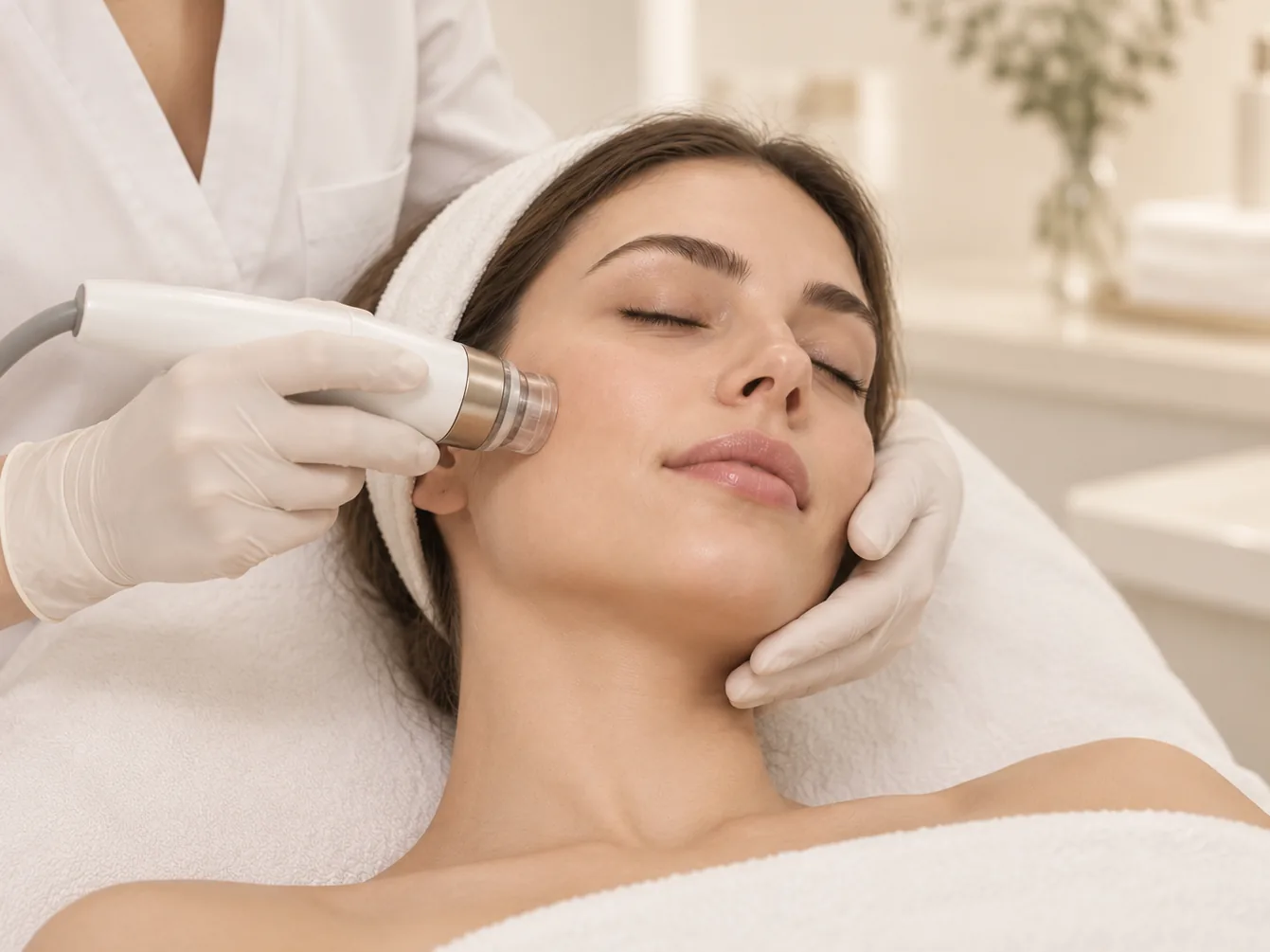
Hydrodermabrasion
Cleansing, exfoliation and hydration in a single session.
View treatment
Chemical Peels
Chemical exfoliation, where medically indicated and after assessment.
View treatment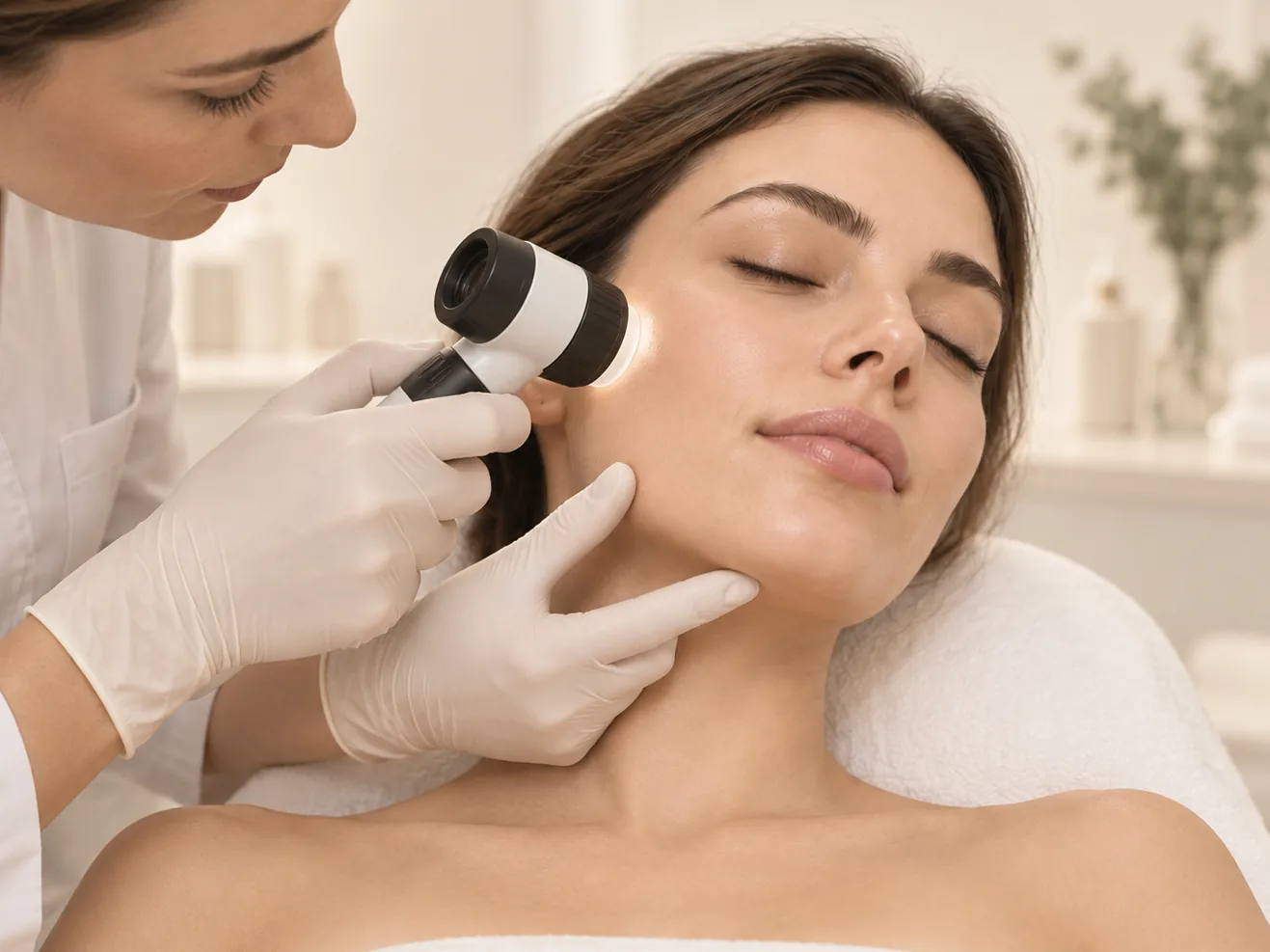
Clinical Dermatology & Venereology
Diagnosis and treatment of conditions of the skin, hair, nails and mucous membranes.
View treatmentThe right treatment begins with the right diagnosis.
Your first visit includes a dermatological examination, a discussion of your goals and a personalised plan, with no obligation to proceed with treatment.
Book your visit